
Barbering as a craft, not a service
"A good haircut is the one the client remembers six weeks later — not because it looked perfect on day one."
Where the school started
Torvanel Omi opened in Kharkiv as a single workstation and a straightforward idea: barbering education in Ukraine was either too theoretical or too rushed. Neither produced barbers who could actually hold a conversation with a client while executing a mid-fade.
The school was built around workshop sessions — small groups, real clients, recorded feedback. Instructors would stop mid-cut to explain blade angle, guard selection, or why a particular hairline shape ages poorly. That format stayed consistent from the first cohort to the present.
The curriculum covers scissor and clipper technique, skin fades, beard shaping, straight razor work, and client consultation. Each skill is practiced in isolation before being combined into full-service sessions.
opened in Kharkiv

The instructors
Each instructor brings a working background in barbershops, not just teaching experience. Classes are led by people who still cut hair outside the school.
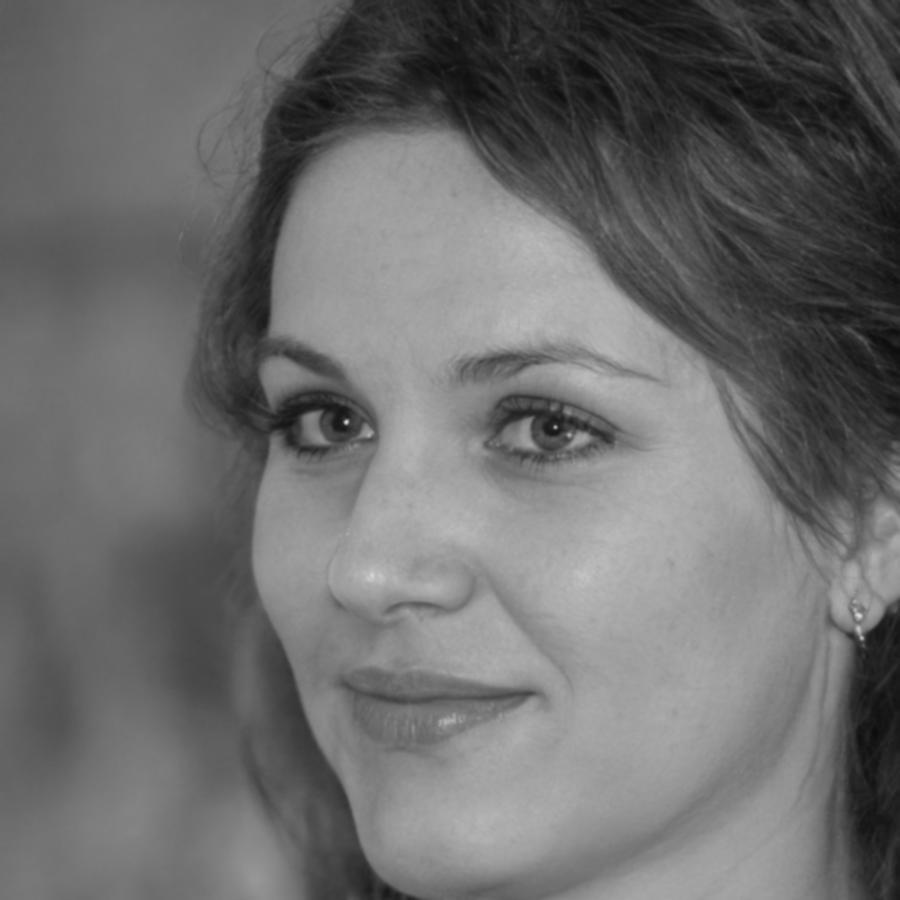
Lead Educator
Daryna Kovalchuk
Specialises in scissor-over-comb technique and textured cuts. Has worked in barbershops in Kyiv and Warsaw before joining the school full-time.

Technique Specialist
Olena Marchenko
Focuses on skin fades and beard shaping. Runs the straight razor module and teaches client consultation as a structured skill, not an afterthought.
What the instructors actually do in class
Sessions are not demonstrations followed by independent practice. Instructors work alongside students on live clients, stepping in to correct grip, posture, or guard selection in real time. Feedback is immediate and specific — not general encouragement.

- Live client sessions from week one
- Video review of each student's technique
- Structured debrief after every practical block
How the curriculum is structured
Each course runs in defined phases. Students do not move to the next technique until the current one is assessed — not just attempted. The school keeps group sizes small so instructors can actually track individual progress across the full duration of a course.
Tool handling and posture
Clipper grip, scissor hold, body mechanics. Covered before any cut begins — poor posture causes inconsistent pressure and fatigue.
Clipper and guard work
Guard selection, blending logic, fade progression. Practiced on mannequins first, then on clients under close supervision.
Scissor technique and texture
Point cutting, slide cutting, scissor-over-comb. Each method has a specific application — students learn when to choose which.
Beard and razor finishing
Beard shaping relative to face structure, straight razor use, edge cleanup. The final module before independent client sessions.